
Description
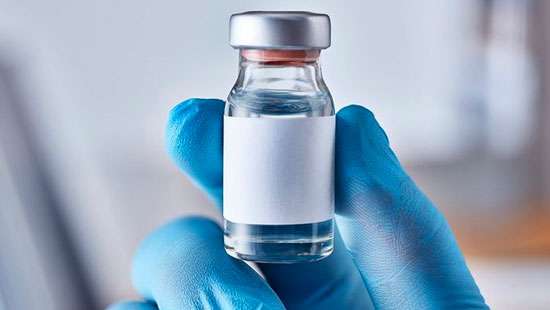
In April 2024, it was revealed that a batch of Human Immunoglobulin, imported through emergency procurement measures by the Ministry of Health, was substandard and contained little to no active ingredients. This compromised medicine had already been distributed to public hospitals, raising serious concerns about patient safety and regulatory failures. The drugs were imported under waivers of registration (WORs) issued by the National Medicines Regulatory Authority (NMRA), a process meant only for genuine medical emergencies. Investigations showed that the supplier, Isolez Biotech, was approved despite not meeting minimum quality standards. The same emergency procurement process had been used in 2023 under similar conditions, yet no corrective actions were taken. The repeated use of WORs, bypassing standard regulatory checks and ignoring past supplier failures, suggested serious flaws, or abuse, in how medical supplies were being approved and purchased. This led to allegations of corruption, negligence, and potential collusion between public officials and private suppliers.
In response, Transparency International Sri Lanka (TISL) filed a Fundamental Rights petition (SCFR/99/2024) before the Supreme Court, naming 66 respondents including the Health Ministry, NMRA, and other key actors, seeking accountability and reform.
What is the corruption
Emergency procurement rules were misused to import medicines without proper quality checks.
The National Medicines Regulatory Authority (NMRA) gave waivers (WORs) allowing some suppliers to bypass normal registration and testing processes.
One supplier, Isolez Biotech, supplied substandard Human Immunoglobulin with little to no active ingredient, which was distributed to public hospitals, endangering patients.
Despite previous quality failures with similar imports in 2023, the same suppliers and emergency processes were used again, showing negligence or willful disregard.
This repeated failure to follow procurement laws and quality standards suggests collusion or corruption between officials and private companies, allowing poor-quality drugs to be imported and sold.
The public was kept unaware of these risks until exposed by investigations and complaints, showing a lack of transparency and accountability.
Monetary value involved
Although it is unclear how many patients were actual recipients of this bacteria-infected substitute, it has been reported that 22,500 vials were imported under a contract worth $ 2.925 million. This is approximately Rs. 960 million. (Source: https://www.ft.lk/opinion/How-bacteria-exposed-a-scandal/14-779758 )
Including non-monetary costs like human lives, patient safety, and the broader impact on public trust is absolutely valid and important to highlight. These human and systemic costs often far outweigh financial loss and show why the issue is critical beyond just numbers.
What has been done
Following the discovery of the substandard immunoglobulin imports, Transparency International Sri Lanka (TISL) filed a Fundamental Rights petition with the Supreme Court in April 2024, calling for a thorough investigation and accountability from the Ministry of Health, NMRA, and other relevant authorities. The Supreme Court accepted the petition and in November 2024 issued interim orders to strengthen oversight, including freezing payments related to the disputed procurement until audits are completed. The Court directed agencies such as the Criminal Investigation Department (CID) and the Commission to Investigate Allegations of Bribery or Corruption (CIABOC) to investigate and report on possible corruption and negligence. Meanwhile, TISL has actively advocated for policy reforms, increased transparency in procurement processes, and stronger protections for whistleblowers. Media reports and public discussions have raised awareness, prompting calls for improvements in emergency medical procurement regulations.
Actions Taken:
TISL filed a Fundamental Rights petition (SCFR/99/2024) at the Supreme Court in April 2024.
Supreme Court granted leave to proceed and issued interim orders in November 2024.
Payments related to the contested immunoglobulin procurement were frozen pending audits.
CID and CIABOC were ordered to investigate and report on misconduct within six months.
TISL has pushed for policy reforms and transparency in medical procurement.
Media and public pressure have increased awareness and parliamentary discussions.
Calls for stronger whistleblower protections and emergency procurement oversight have been made.
What can be done
To ensure full accountability and prevent future abuses, several actions remain necessary. The investigative agencies—CID and CIABOC, must complete their inquiries transparently and promptly, with their findings made public. The government should initiate criminal and disciplinary proceedings against officials and suppliers found responsible for negligence or corruption. The Ministry of Health and NMRA must urgently reform emergency procurement policies, introducing stronger safeguards, mandatory risk assessments, and independent oversight mechanisms. Courts and policymakers should consider establishing judicial or parliamentary review processes for waivers that bypass standard registration and procurement rules. TISL and civil society should continue to monitor implementation, engage the public, and advocate for whistleblower protections that encourage reporting without fear of retaliation. Finally, mechanisms for recovering misused public funds and compensating affected patients should be pursued vigorously to restore public trust.
Further Actions Needed:
CID and CIABOC must finalize investigations promptly and publish reports publicly.
Criminal and disciplinary action should be taken against responsible individuals and companies.
The Ministry of Health and NMRA should reform emergency procurement policies with stricter safeguards.
Introduce judicial or parliamentary review for waivers and emergency procurements.
TISL and civil society should maintain oversight and public engagement on this issue.
Establish strong whistleblower protections to encourage reporting corruption safely.
Recover misused public funds and seek compensation for affected patients.
Courts and policymakers should strengthen legal frameworks to prevent future abuses.
Links
Transparency International Sri Lanka (TISL) has actively documented and responded to the controversial procurement of substandard human immunoglobulin and other medical supplies in 2024. Key primary sources include official press releases and updates from TISL, as well as coverage in mainstream media outlets. The following references provide essential information and background for analysis and advocacy:
Transparency International Sri Lanka. (2024). TISL Files Fundamental Rights Petition Over Human Immunoglobulin and Other Controversial Medical Supplies ; https://www.tisrilanka.org/tisl-files-fr-petition-over-human-immunoglobulin-and-other-controversial-medical-supplies/
Sunday Times. (2024, April 21). TISL goes to Supreme Court over controversial purchases of medical supplies including counterfeit immunoglobulin ; https://www.sundaytimes.lk/240421/news/tisl-goes-to-supreme-court-over-controversial-purchases-of-medical-supplies-including-counterfeit-immunoglobulin-554614.html
Hiru News. (2024). Fundamental Rights petition filed over Human Immunoglobulin scandal for recovery of costs and compensation ; https://www.hirunews.lk/en/367742/fr-petition-filed-over-human-immunoglobulin-scandal-for-recovery-of-costs-and-compensation
LankaWeb – Immunoglobulin Scandal: Medical Supplies Division’s Deputy Director Arrested at BIA https://www.lankaweb.com/news/items/2024/03/13/immunoglobulin-scandal-medical-supplies-divisions-deputy-director-arrested-at-bia/
Daily Mirror – Import of Substandard Immunoglobulin Injections: Former Deputy Director of Health Services Arrested ; https://www.dailymirror.lk/front-page/Import-of-substandard-Immunoglobulin-injections-Former-Deputy-Director-of-Health-Services-arrested/238-274532