Repressive Laws to Shrink Civic Space – NGO Bill, Anti-Terrorism Bill and Online Safety Act

Description
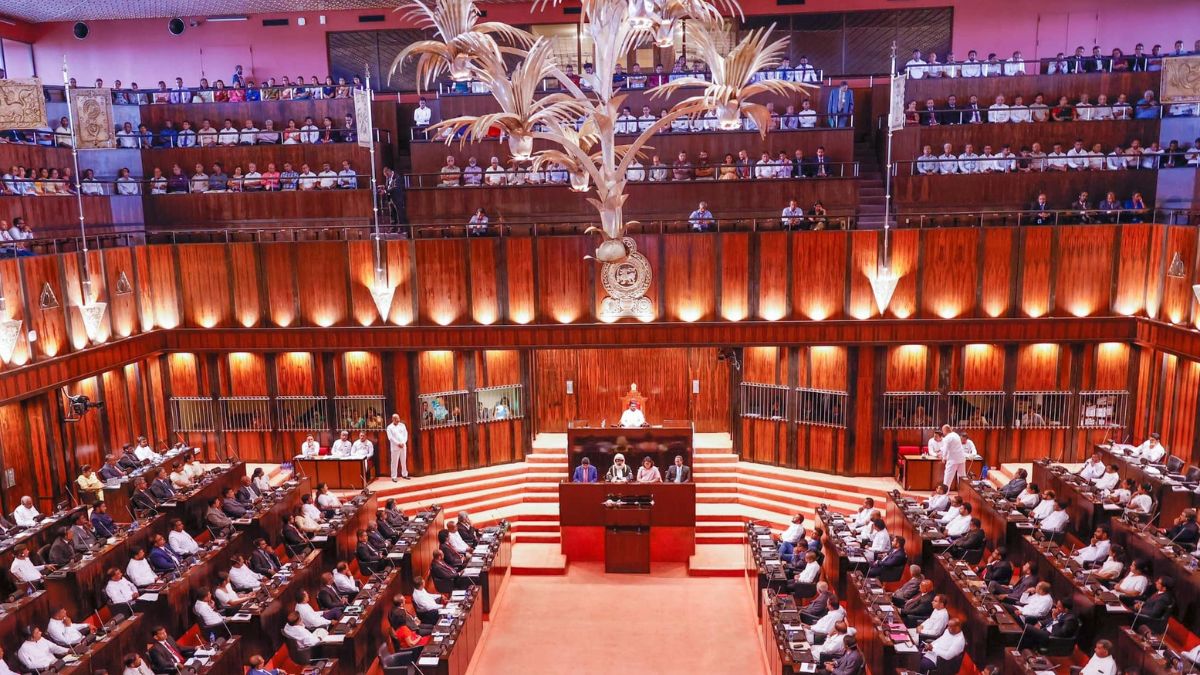
In 2024, Sri Lanka continues to see a tightening of space for civil society, activism, and free expression. A series of laws; the Online Safety Act (enacted), the Anti-Terrorism Bill (pending), and the draft NGO Bill (in preparation) have raised alarm among citizens, civil society organisations, and international observers. These laws, introduced in the name of national security, public order, or digital safety, risk giving unchecked power to the executive and state authorities. The Online Safety Act, passed in early 2024, gives a government-appointed commission wide powers to regulate and remove online content. The Anti-Terrorism Bill, which aims to replace the Prevention of Terrorism Act (PTA), still contains vague and broad definitions that can be used to arrest or silence dissenting voices. The draft NGO Bill seeks to regulate the registration and operation of civil society organisations, giving the state excessive discretion to interfere in their work.
Together, these laws threaten to weaken the ability of citizens and civil society to speak up, organise, and hold power to account.
What is the corruption
When laws allow authorities to block websites, arrest people without clear cause, or shut down organisations without transparency, it becomes harder to uncover and report wrongdoing. Civil society plays a critical role in exposing bribery, abuse of power, and misuse of public funds. Journalists, whistleblowers, and community groups often speak up when something is wrong. But when they are silenced or threatened through repressive laws, corruption is no longer challenged. These laws can be used selectively and politically, not to protect the public, but to protect those in power from criticism.
For example:
An online post revealing irregularities in a public contract could be removed for being “false or harmful”.
A peaceful protestor could be labelled a “threat” under the Anti-Terrorism Bill.
An NGO investigating procurement fraud could lose its registration under the NGO Bill.
Monetary value involved
N/A
What has been done
TISL released legal analyses highlighting how the Online Safety Bill and Anti-Terrorism Bill violated constitutional rights and international human rights standards. These explained vague definitions, excessive powers, and lack of checks and balances.
TISL submitted written comments to relevant Parliamentary Committees on both bills. These submissions pointed out the risks to civil society and individual freedoms and called for significant revisions or complete withdrawal.
In January 2024, over 125 civil society leaders and more than 30 organisations signed a public statement calling for the withdrawal of the Online Safety Bill and Anti-Terrorism Bill. https://www.ft.lk/opinion/Online-Safety-Bill-and-Anti-Terror-Bill-law-making-to-end-democracy-and-fundamental-rights/14-754373
Civil society organisations formally responded to the draft NGO Bill shared by the NGO Secretariat, despite it being given in English only and with just 3 weeks to respond. https://groundviews.org/2024/05/14/government-proposes-a-law-to-control-ngo-activity/
As a collective response to the deteriorating civic space and lack of genuine commitment to transparency and participation, several civil society organisations withdrew from Sri Lanka’s Open Government Partnership (OGP) process. This withdrawal served as a strong statement against the government’s failure to uphold the core OGP principles of openness, accountability, and co-creation, and reflected the growing concern among CSOs about the shrinking space for independent civic engagement in the country. (Resource: CSOs withdraw from Open Government Partnership process
https://www.ft.lk/front-page/CSOs-withdraw-from-Open-Government-Partnership-process/44-758265 )
TISL filed a petition challenging the Online Safety Act in February 2024.
What can be done
Initiate or support fundamental rights petitions and other legal action to challenge the constitutionality of these laws. TISL has already filed a petition challenging the Online Safety Act.
Use social media, public forums, and grassroots-level engagement to explain how these laws affect ordinary citizens, especially through real-life examples and case studies.
Track and report instances where these laws are used to suppress dissent, remove legitimate content, or harass civil society groups. A publicly accessible incident tracker could be developed.
Build strong networks and alliances with other CSOs, media, lawyers, and activists to create a united front against restrictive laws.
Links
TISL Statement on Online Safety Bill, highlights concern about civil society freedoms and recommends public awareness and legal challenges: https://www.ft.lk/opinion/Online-Safety-Bill-and-Anti-Terror-Bill-law-making-to-end-democracy-and-fundamental-rights/14-754373
Discussed the government’s proposal for a new NGO law, highlighting issues related to the regulation of civil society and the potential for increased government oversight : https://groundviews.org/2024/05/14/governmentproposes-a-law-to-control-ngo-activity/
Eu SEE (Apr 2024) https://eusee.hivos.org/alert/draft-ngo-law-reinforces-political-oversight-on-ngos/
Human Rights Watch (Jan 2024)
Raises concerns over the OSA’s vague provisions that empower authorities to restrict expression. https://freedomhouse.org/country/sri-lanka/freedom-net/2024
Access Now (Jan 2024)
Calls on the Sri Lankan government to withdraw the OSA and hold meaningful consultations with stakeholders.
https://www.accessnow.org/press-release/open-letter-sri-lanka-must-withdraw-online-safety-bill/